Recipes
Buttermilk Fried Chicken Recipe
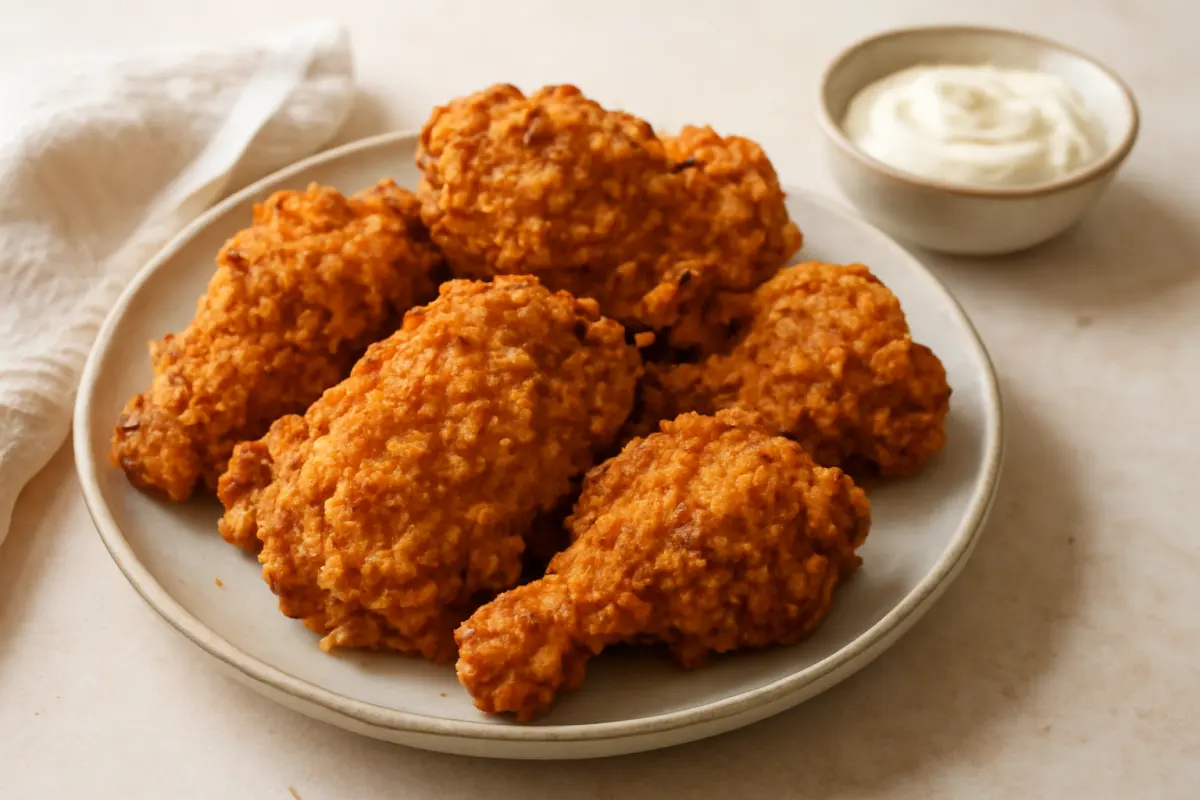
This buttermilk fried chicken recipe uses bone-in chicken, a seasoned buttermilk soak, and a peppery flour coating for crisp, golden pieces with juicy meat inside.
Overview
This buttermilk fried chicken recipe makes crisp, deeply seasoned chicken with a craggy coating and juicy meat. The chicken rests in a seasoned buttermilk mixture before frying, which helps the flour coating cling and gives the meat time to absorb flavor.
Use a heavy Dutch oven or deep skillet, keep the oil around 350°F, and fry in batches so the crust browns instead of turning greasy. A thermometer is the most reliable way to check that the thickest part of each piece reaches 165°F.
Ingredients
- 3 pounds bone-in, skin-on chicken pieces, such as thighs, drumsticks, and breasts
- 2 cups buttermilk
- 2 teaspoons kosher salt, divided
- 1 teaspoon hot sauce, optional
- 1 teaspoon garlic powder
- 1 teaspoon paprika
- 1 teaspoon freshly ground black pepper, divided
- 1/2 teaspoon cayenne pepper, optional
- 2 cups all-purpose flour
- 1 tablespoon cornstarch
- 1 teaspoon baking powder
- 1 teaspoon onion powder
- 1/2 teaspoon smoked paprika, optional
- 5 to 6 cups neutral frying oil, such as peanut, canola, or vegetable oil
How to make it
Prepare the chicken. Pat the chicken dry with paper towels. If the breasts are very large, cut them in half through the bone so they are closer in size to the thighs and drumsticks. This helps the pieces finish cooking at a similar time.
Make the buttermilk soak. In a large bowl, whisk together the buttermilk, 1 teaspoon of the kosher salt, hot sauce, garlic powder, paprika, 1/2 teaspoon of the black pepper, and cayenne pepper. Add the chicken and turn the pieces until coated. Cover and refrigerate for at least 4 hours or up to overnight.
Mix the coating. In a wide, shallow bowl, whisk together the flour, cornstarch, baking powder, remaining 1 teaspoon kosher salt, remaining 1/2 teaspoon black pepper, onion powder, and smoked paprika.
Create a craggy coating. Lift one piece of chicken from the buttermilk, letting the excess drip back into the bowl. Dredge it thoroughly in the flour mixture, pressing the flour onto every surface. For a thicker, rougher crust, dip the floured chicken briefly back into the buttermilk, then dredge it in the flour a second time. Set the coated piece on a wire rack and repeat with the remaining chicken.
Heat the oil. Pour the oil into a large Dutch oven or deep, heavy skillet, filling it no more than halfway. Heat over medium-high heat to 350°F. The temperature will drop when the chicken goes in, so adjust the burner as needed to keep the oil between 325°F and 350°F during frying.
Fry in batches. Carefully lower 3 or 4 pieces into the oil, leaving space between them. Fry bone-in breasts for about 12 to 16 minutes and thighs or drumsticks for about 10 to 14 minutes, turning every few minutes so the coating browns evenly. The exact time depends on the size of the pieces and the oil temperature.
Check for doneness. Transfer the chicken to a wire rack set over a rimmed baking sheet when the coating is a rich golden brown and the thickest part of the meat reaches 165°F without touching the bone. The crust should feel crisp, and the juices should run clear when a piece is pierced. If the crust browns before the chicken is cooked, lower the heat and finish the piece in a 350°F oven until it reaches 165°F.
Drain and repeat. Let each batch drain on the rack rather than directly on paper towels, which can trap steam against the crust. Bring the oil back to about 350°F before frying the next batch. Serve the chicken hot or warm.
Expert tips
- Do not skip the wire rack rest: Letting the coated chicken sit for 10 to 15 minutes before frying helps the flour hydrate and cling to the chicken.
- Use a thermometer: A clip-on oil thermometer helps prevent pale, greasy crust, while an instant-read thermometer confirms that the chicken is cooked through.
- Avoid overcrowding: Too many pieces cool the oil quickly and make the coating absorb more oil. Fry in two or three batches if necessary.
- Keep the crust crisp: Drain the chicken on a rack, and do not cover it while it is hot. Covering traps steam and softens the coating.
- If using boneless chicken: Use boneless, skinless thighs or breasts cut into thick strips. They cook faster, so begin checking after about 6 to 8 minutes.
- Buttermilk substitute: Stir 2 tablespoons lemon juice or white vinegar into 2 cups milk and let it stand for 5 minutes. The flavor will be slightly different, but it works for the soak.
Serving and storage
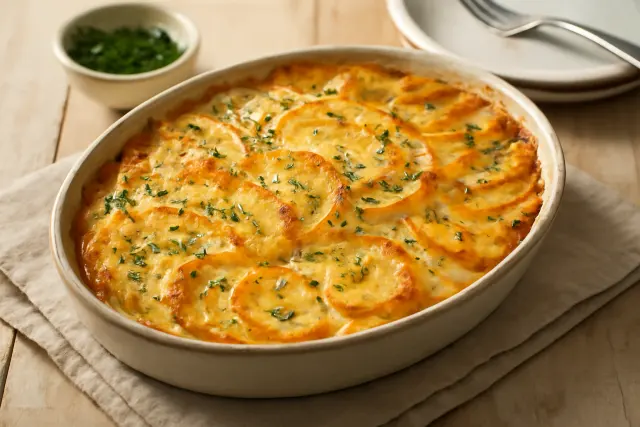
Serve the chicken with pickles, hot sauce, coleslaw, or a crisp salad. For a heartier plate, pair it with scalloped potatoes, or balance the fried chicken with cucumber avocado salad.
Refrigerate leftover chicken in a shallow, airtight container within 2 hours of cooking. It keeps for up to 3 to 4 days. Reheat it on a wire rack over a baking sheet in a 375°F oven until hot throughout and the coating is crisp again; avoid microwaving if you want to preserve the crust. Do not leave cooked chicken at room temperature for more than 2 hours, or more than 1 hour in very hot conditions.
Frequently asked questions
How long should chicken soak in buttermilk?
Soak the chicken for at least 4 hours and up to overnight. This gives the seasoning time to work through the surface and helps the flour coating adhere. Keep the chicken refrigerated during the soak.
Why is my fried chicken coating falling off?
Excess buttermilk can make the flour slide off. Let each piece drip briefly, press the flour firmly onto the chicken, and rest the coated pieces on a rack for 10 to 15 minutes before frying. Avoid moving the chicken repeatedly during the first few minutes in the oil.
What oil temperature is best for buttermilk fried chicken?
Start frying at about 350°F and keep the oil between 325°F and 350°F while the chicken cooks. If the temperature falls much lower, the crust can become greasy; if it stays too high, the coating may burn before the meat is cooked.
How do I know when fried chicken is done?
Check the thickest part of the meat with an instant-read thermometer, avoiding the bone. It should reach 165°F. The coating should be deeply golden and crisp, and the chicken should feel firm rather than soft.
Can I make buttermilk fried chicken ahead of time?
You can marinate the chicken overnight and coat it shortly before frying. Fried chicken is best the day it is made, but leftovers can be refrigerated for 3 to 4 days and reheated on a rack in a 375°F oven to help restore the crisp coating.